 GraceBoro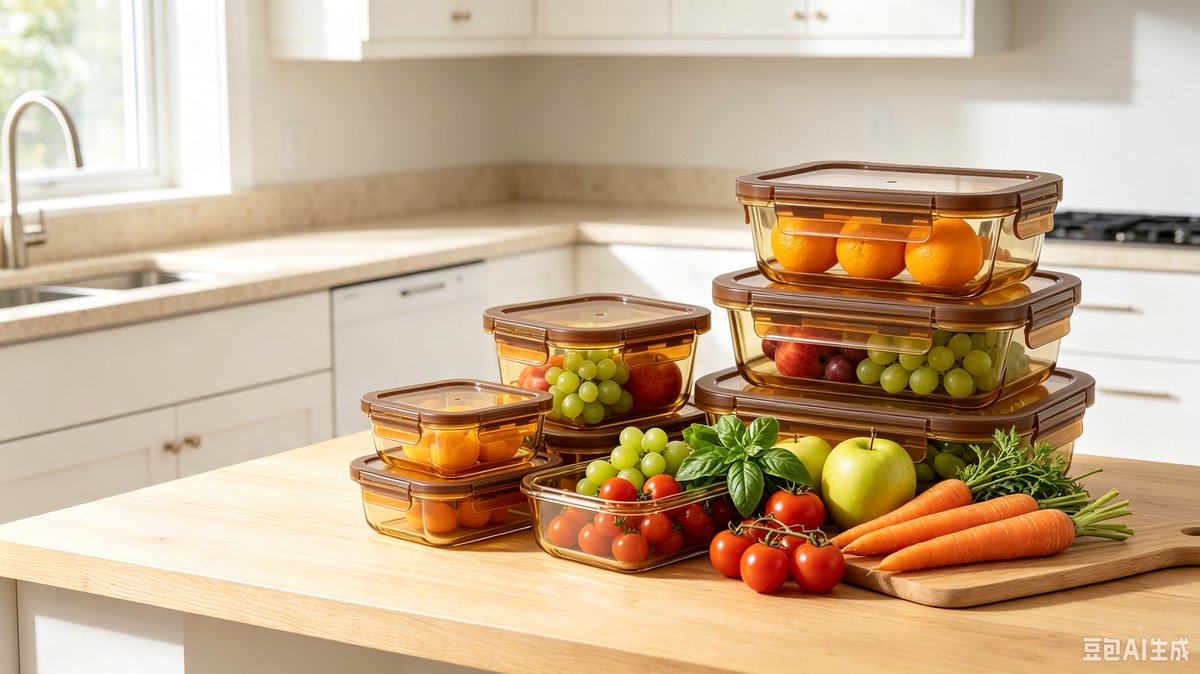
When you source glass food containers, the single most important decision is the base glass. Most consumer and food-service glass is either borosilicate or soda-lime. They look similar on the shelf but behave very differently in the kitchen and the supply chain. Here is the practical comparison buyers actually need.
Heat resistance and thermal shock
Borosilicate glass handles temperatures up to about 400°C and shrugs off thermal shock — moving a dish from freezer to oven without cracking. Soda-lime glass has much lower thermal-shock resistance and can crack under sudden temperature change. If your product is marketed for baking, oven-to-table use or stovetop-adjacent use, borosilicate is the safe choice.
Safety and food contact
Both are inert and non-toxic when properly manufactured. Borosilicate's advantage is durability under stress and fewer micro-fractures over repeated heating cycles. For premium meal-prep and baby / kids products, buyers increasingly specify borosilicate for the perceived and real quality signal.
Weight and handling
Borosilicate can be made thinner while staying strong, which can reduce shipping weight. Soda-lime is typically heavier for the same strength. If freight cost is a major factor in your margin, factor glass density into the landed-cost model.
Cost
Soda-lime is cheaper to produce and is the default for standard jars and drinking glass. Borosilicate costs more per unit but commands a premium retail position and reduces breakage-related returns. The right call depends on your channel: mass-market jar programs favor soda-lime; premium meal-prep and baking lines favor borosilicate.
Best-use cases
- Borosilicate: baking dishes, oven-to-table containers, premium meal-prep sets, kids containers, gifts. See our borosilicate range: clear glass containers.
- Soda-lime: standard storage jars, promotional giveaways, cost-led private-label basics.
How we specify at GraceBoro
Our core line is borosilicate, heat-resistant to 400°C, BPA-free and non-toxic, with airtight silicone-seal lids. We also offer brown / amber borosilicate for UV-sensitive contents. Full specifications and certifications: company page.
Frequently asked questions
What is the minimum order quantity (MOQ)?
Our standard MOQ starts at 1,000 units per item, with flexible terms for mixed containers and custom OEM projects.
Do you offer OEM and private-label glass containers?
Yes. We provide full OEM / ODM private-label service: custom shapes, sizes, lid designs, logo printing, and retail packaging.
What certifications do your glass containers have?
All products are ISO 9001 certified; market-specific compliance includes FDA (USA), LFGB (Europe), and SGS testing.
What are your production lead times?
Standard items ship in 15–25 days; custom OEM orders typically take 25–35 days after confirmation.